When your child is interested in acting, exploring the best training options is natural. Parents often hear terms like method acting, classical training, or “different acting styles” but aren’t always sure what they mean. Understanding these approaches can help guide your child toward programs that suit their personality and goals.
In this guide, we’ll break down different ways actors prepare for roles, explain how each method works, and show why combining styles often works best. We’ll highlight how T3 Triple Threat in San Diego helps young performers explore acting in a safe, supportive environment.
Whether your child dreams of starring in film, television, or stage productions, or wants to build confidence, this article will give you the insights you need.
What Is Classical Training in Acting?
A Timeless Foundation
Classical training is one of the oldest approaches to acting. Rooted in techniques developed for theater, this method focuses on voice, body, and movement. Students learn to project their voice, articulate words clearly, and use their body to communicate emotions.
For centuries, actors known for Shakespearean plays and stage performances relied on this style. It emphasizes discipline, memorization, and text analysis — skills that serve young actors in all areas of life.
Why Parents Like Classical Training?
Parents often appreciate classical training because:
- It develops strong communication skills.
- It helps children use their voice and body with confidence.
- It gives structure, discipline, and routine.
- It teaches techniques that can be applied to different types of performances.
When your child learns through classical training, they can act in various roles, from historical plays to modern scripts. This is why many teachers believe classical training works best as an introduction to acting.
What Is Method Acting?

Becoming the Character
Method acting is a very different style. Instead of focusing only on technical skills, it encourages actors like your child to connect emotionally with a role. Method actors often draw from personal memories or real-life experiences to feel their character’s emotions.
For example, if a young performer is playing a character who feels lonely, they might recall a time when they felt left out. This allows them to deliver a performance that feels genuine and authentic.
Why Kids Like Method Acting?
Many young actors enjoy method acting because it feels creative and personal. It allows them to:
- Explore emotions in a safe environment.
- Create backstories for their characters.
- Experiment with different ways to act in a role.
- Feel fully “inside” the character rather than just pretending.
Parents often notice that this method of acting helps to build empathy. Kids learn to put themselves in someone else’s shoes, which benefits them in school, friendships, and beyond.
Classical Training vs. Method Acting: Which Works Best?
When deciding between classical training and method acting, parents often wonder: Which style is better? The truth is, there’s no single answer.
- Classical training works best for building technical foundations.
- Method acting works best for exploring emotional depth.
Many film and television actors today actually combine both. They use the discipline of classical techniques to project and move effectively, while also relying on method techniques to create believable emotions.
At T3 Triple Threat in San Diego, we believe in teaching different ways to act so students can discover what suits them best. By exploring both, kids gain flexibility and confidence.
How Actors Prepare Roles in Different Ways?
Professional actors prepare different roles depending on the project. Classical training often takes the lead for stage performances — strong voice and body work ensure the audience can see and hear clearly. Method acting works best for film, where subtle expressions matter, to create emotional authenticity.
Here are some different ways actors use training:
- Classical Training: Memorizing scripts, practicing movement, and voice projection.
- Method Acting: Journaling as the character, using sensory memory, and improvising scenes.
- Blended Styles: Using classical discipline for structure and method techniques for depth.
These different training styles show that there isn’t one “right” path — instead, students should explore what resonates with them.
Training Styles Through the Years
Acting has evolved. Centuries ago, classical training was the only option. Then in the 20th century, pioneers like Konstantin Stanislavski developed the foundations of what became method acting. Today, kids can learn from both.
At T3 Triple Threat in San Diego, we honor this tradition by teaching different work styles that reflect history and modern performance. Students discover how training styles and years of development have shaped the craft, giving them a well-rounded education.
Why Different Training Styles Help Kids Beyond Acting?

Parents often ask: What if my child doesn’t want to become a professional actor? The good news is that acting training benefits children in many ways:
- Confidence: Learning to perform on stage helps kids speak in public.
- Teamwork: Acting requires collaboration with classmates.
- Empathy: Method acting helps work on understanding other perspectives.
- Discipline: Classical training works best for teaching focus and routine.
Even if your child never auditions for film or television, these life skills will carry them through school, friendships, and future careers.
How T3 Triple Threat San Diego Supports Young Actors?
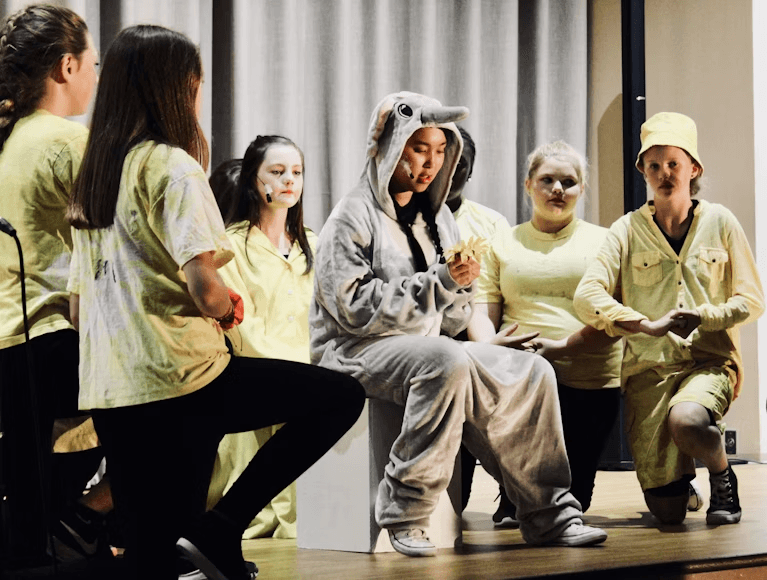
We specialize in nurturing young performers at T3 Triple Threat San Diego. We don’t force kids into one specific style. Instead, we encourage them to try and use different acting methods, to gain experience in both method acting and classical training.
Our Approach
- Classical Training: Students practice voice and body exercises, stage presence, and script analysis.
- Method Acting: Kids explore imagination, journaling, and character backstories.
- Blended Roles: We show students how to prepare roles differently depending on whether they perform for stage, film, or television.
Why Parents Choose T3 Triple?
Parents choose us because:
- Our teachers are experienced performers.
- We focus on personal growth as well as acting.
- We provide a safe, supportive environment.
- We offer programs for all levels, from beginners to advanced.
At T3, your child won’t just learn to act — they’ll grow in confidence, teamwork, and creativity.
Different Ways Kids Can Use Acting in Daily Life

Even outside rehearsals, acting skills are helpful. Children can use method acting when giving school presentations by imagining themselves as confident speakers. They can rely on classical training to project their voices in debates.
Here are a few ways kids use acting skills:
- Role-playing during group projects.
- Expressing emotions more clearly.
- Building leadership skills through teamwork.
- Adapting to new situations with creativity.
These examples show that whether your child follows method acting or classical approaches, the benefits go far beyond performance.
Choosing the Right Training Style for Your Child
As a parent, you don’t have to choose one style. Instead, consider exposing your child to both. Some children naturally connect to the emotional depth of method acting, while others feel comfortable with the structure of classical training.
At T3 Triple Threat, we encourage students to experiment with different ways of preparing roles to discover which approach feels right. Over time, they’ll likely combine elements of both, just like professional film and television actors do.
Conclusion: Let Your Child Explore Acting Their Way
Whether your child is curious about acting or already passionate about performance, giving them access to different training styles is one of the best gifts you can provide.
- Classical training works best for building technical skills.
- Method acting works best for emotional authenticity.
- Together, they provide a complete toolkit for young performers.
At T3 Triple Threat San Diego, we help kids explore both. Our programs allow children to experiment, grow, and discover their unique path as actors. More importantly, they build skills for life — confidence, teamwork, and empathy.
If you’re ready to see your child thrive, sign them up for a class at T3 Triple Threat San Diego today. Let us help them shine on stage, screen, and in everyday life.